
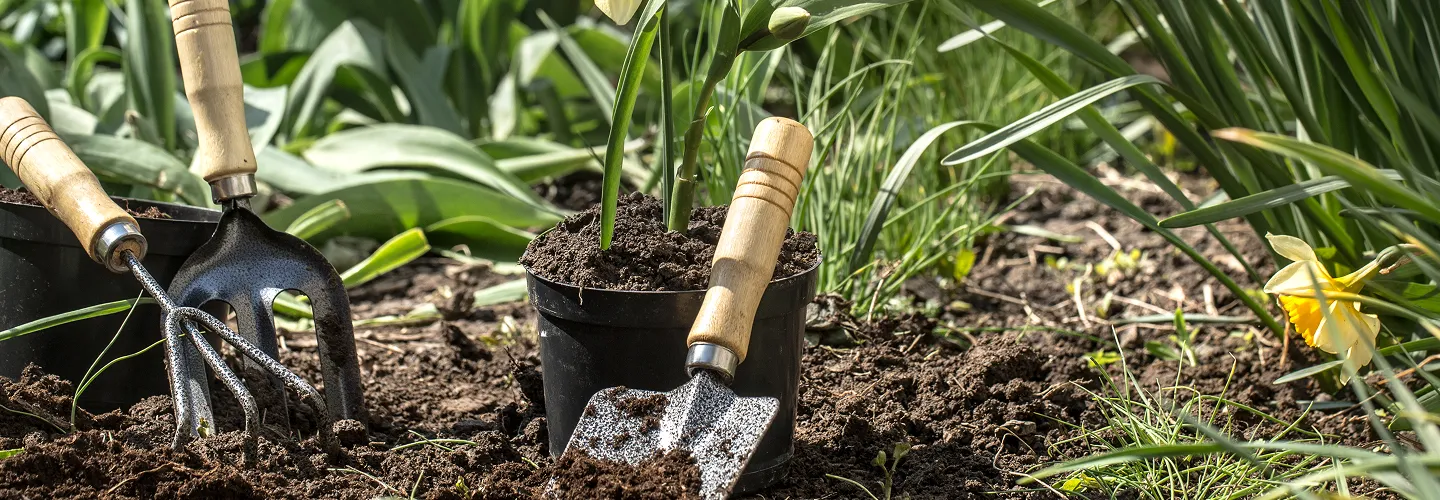
Round Rock Lawn Renovation Services
Choose our Lawn Renovation services for expert care, premium materials, and a commitment to transforming your yard into a lush, healthy, and beautiful landscape you’ll love for years to come.
Get a Free QuoteOur Round Rock Landscaping & Yard Care Services
When to Schedule Lawn Renovation in Round Rock, Texas – Seasonal Guide
In Round Rock, Texas, timing your lawn renovation is crucial for achieving a lush, resilient yard that thrives in our unique Central Texas climate. The best periods for lawn renovation are typically early spring and early fall, when temperatures are moderate and rainfall is more predictable. Renovating during these windows allows new grass and plants to establish strong roots before the intense summer heat or occasional winter frosts set in. Neighborhoods like Teravista and Forest Creek, with their mix of sun and shade, benefit from careful planning around these seasonal shifts.
Local environmental factors play a significant role in determining the optimal renovation schedule. Round Rock’s clay-heavy soils, variable humidity, and the risk of late spring frosts or summer droughts all influence when and how to approach lawn care. Areas near Old Settlers Park or along Brushy Creek may experience different microclimates, affecting soil moisture and shade coverage. Homeowners should also be aware of municipal watering restrictions, which can impact renovation timing. For more information on local guidelines and resources, visit the Sudbury municipal site.
Local Factors to Consider for Lawn Renovation in Round Rock
- Tree density and shade coverage, especially in established neighborhoods
- Soil type and drainage, with clay soils requiring special preparation
- Seasonal precipitation patterns and drought risk
- Proximity to creeks or flood-prone areas
- Municipal watering restrictions and local ordinances
- Terrain variations, such as slopes or low-lying spots
- Recent weather events, including late frosts or heavy rains
Benefits of Lawn Renovation in Round Rock
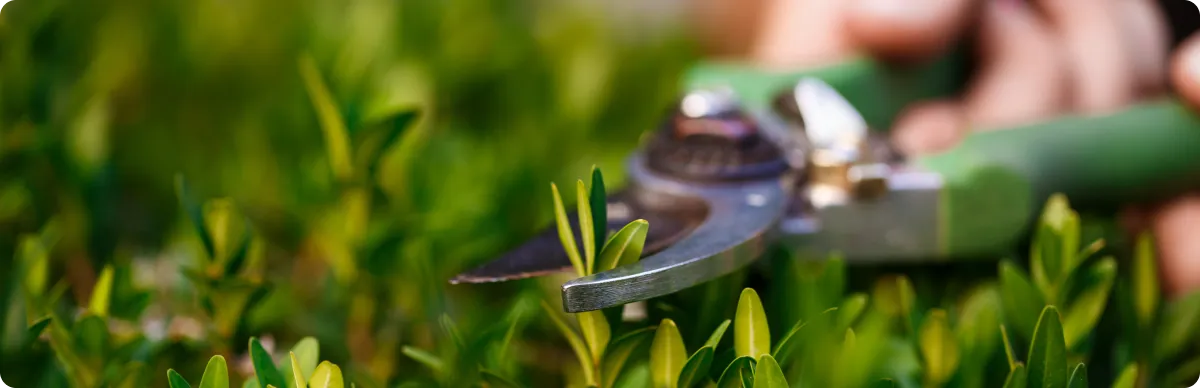
Enhanced Curb Appeal
Improved Lawn Health
Increased Property Value
Expert Local Knowledge
Efficient Water Usage
Customized Landscaping Solutions
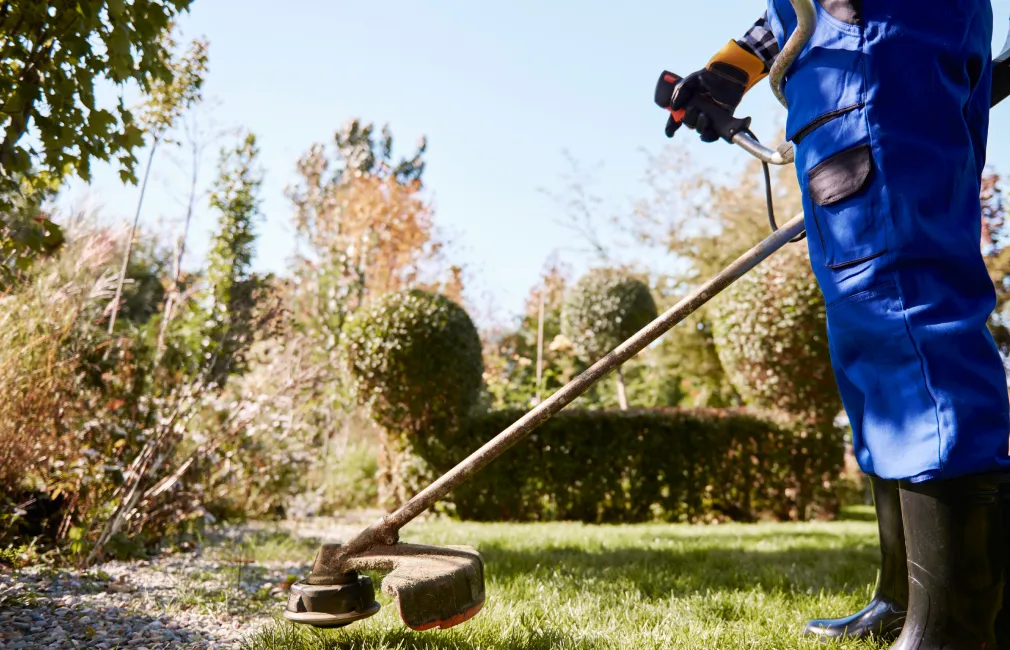
Round Rock Lawn Renovation Types

Sod Installation
-
Hydroseeding
-
Soil Aeration
-
Overseeding
-
Topdressing
-
Weed Removal
-
Dethatching
Our Lawn Renovation Process
Site Evaluation
Soil Preparation
Seeding or Sodding
Watering and Fertilization
Ongoing Maintenance
Why Choose Round Rock Landscape Services
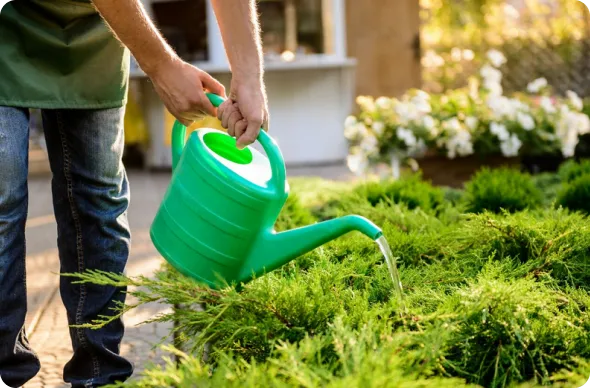
Round Rock Homeowners Trust Us
-
Expert Lawn Maintenance
-
Reliable Irrigation Solutions
-
Comprehensive Weed Control
-
Seasonal Clean-Up Services
-
Competitive Pricing
-
Professional Team
-
Satisfaction Guarantee
Soil Series and Drainage Considerations for Lawn Renovation in Round Rock
Lawn renovation in Round Rock requires careful assessment of local soil conditions, as the city is predominantly underlain by Houston Black clay and Burleson clay loam, both classified as Vertisols with high shrink-swell potential and poor drainage. These soils typically exhibit pH values between 7.5 and 8.2, necessitating amendments such as sulfur to lower alkalinity and compost incorporation (2-3 inches tilled to 6-inch depth) to improve structure. Core aeration should reach a depth of 2-3 inches, with multiple passes recommended for compacted areas. Soil testing is available through Texas A&M AgriLife Extension for a typical fee of $15-25. For site-specific soil mapping, consult the USDA Web Soil Survey. Coordination with municipal environmental programs is essential to prevent runoff and sedimentation.
Round Rock Utilities and Environmental Services Department
221 E. Main Street, Round Rock, TX 78664
Phone: (512) 218-5555
Official Website: Round Rock Utilities and Environmental Services Department
Seasonal Timing and Weather Guidance for Lawn Renovation in Round Rock
Optimal timing for lawn renovation in Round Rock aligns with the region’s USDA Hardiness Zone 8b, where spring seeding is best performed from April 15 to May 30 (soil temperature 50-65°F), and fall seeding from August 20 to September 30. Avoid major renovation during June-August due to heat stress and drought risk. Fertilization should occur in early May and again in September for cool-season grasses. Monitor local weather patterns using the National Weather Service Austin/San Antonio Office, as heavy rainfall events can delay soil preparation and seeding. For up-to-date climate data and severe weather alerts, reference the NWS before scheduling major renovation activities.
- Spring seeding: April 15 - May 30
- Fall seeding: August 20 - September 30
- Fertilization: Early May and September
- Avoid: June-August (heat/drought stress)
Municipal Ordinances and Equipment Operation Standards for Lawn Renovation
Lawn renovation activities in Round Rock are subject to municipal noise ordinances and equipment operation standards. Permitted hours for powered equipment are:
- Monday-Friday: 7:00 AM - 7:00 PM
- Saturday: 8:00 AM - 6:00 PM
- Sunday and holidays: Prohibited All commercial operators must ensure equipment mufflers are functional and noise levels do not exceed 85 decibels at property lines. Debris generated during renovation, such as sod, soil, and plant material, must be disposed of according to city guidelines—use biodegradable bags or 32-gallon containers for curbside collection. Prohibited materials include plastic bags and branches over 4 inches in diameter. For ordinance details and collection schedules, consult the city’s code compliance division.
Round Rock Community and Neighborhood Services Department
221 E. Main Street, Round Rock, TX 78664
Phone: (512) 218-5400
Official Website: Round Rock Community and Neighborhood Services Department
Environmental Compliance: Stormwater, Buffer Zones, and State Regulations
Lawn renovation in Round Rock must comply with the city’s MS4 stormwater permit, which prohibits the discharge of soil, clippings, or chemicals into storm drains under the Clean Water Act. Maintain a 25-foot no-disturbance buffer from wetlands and a 50-foot setback from water bodies such as Brushy Creek. Fertilizer and pesticide applications are restricted within these buffer zones. The Texas Commission on Environmental Quality (TCEQ) enforces state environmental laws, including the Texas Water Code, which governs runoff and water quality. For technical guidance on stormwater best practices, refer to EPA Region 6.
- No clippings or soil in storm drains (MS4 compliance)
- 25-foot wetland buffer; 50-foot water body setback
- No fertilizer/pesticide within buffer zones
- Use only registered products per state law
Texas Commission on Environmental Quality
12100 Park 35 Circle, Austin, TX 78753
Phone: (512) 239-1000
Official Website: Texas Commission on Environmental Quality
Professional Standards and Safety Protocols for Lawn Renovation in Round Rock
All personnel engaged in lawn renovation must adhere to professional safety standards. Required personal protective equipment (PPE) includes ANSI Z87.1 safety glasses, hearing protection for noise above 85 dB, steel-toed boots, and cut-resistant gloves for handling sod cutters or aerators. Maintain a 15-foot clearance from overhead power lines when operating tall equipment. Commercial-grade 4-stroke mowers and aerators should be used, with blades sharpened every 20-25 hours of operation. Operators must follow city-mandated safety distances and traffic control measures when working near public roads. For additional safety and equipment standards, consult the city’s code compliance office and the Round Rock Parks and Recreation Department.
- Eye protection: ANSI Z87.1 safety glasses
- Hearing protection: Earmuffs/plugs for 85+ dB
- Footwear: Steel-toed, non-slip boots
- Gloves: Cut-resistant for equipment use
- Maintain 15-foot clearance from power lines
Round Rock Parks and Recreation Department
301 W. Bagdad Avenue, Round Rock, TX 78664
Phone: (512) 218-5540
Official Website: Round Rock Parks and Recreation Department
What Neighborhoods Do We Serve Throughout Round Rock, TX?
- Forest Creek: Characterized by expansive lots and mature trees, this area often faces soil compaction and drainage challenges due to heavy clay content and established landscaping.
- Teravista: Newer development with engineered soils and efficient drainage systems, but HOA guidelines may restrict renovation timing and equipment use.
- Downtown Round Rock: Historic district with smaller lots, older infrastructure, and frequent utility easements; requires careful coordination for debris removal and compliance with city ordinances.
- Brushy Creek: Proximity to the creek and floodplain necessitates strict adherence to buffer zone regulations and stormwater management best practices.
- Sonoma: Suburban neighborhood with moderate slopes and mixed soil types, requiring tailored renovation approaches for both clay and loam areas.
- Behrens Ranch: Larger properties with open spaces, but access limitations and wildlife corridors may affect equipment staging and timing.
- Oaklands: Established community with mature shade trees, leading to increased leaf litter and shade-tolerant turf renovation needs.